The artwork of…
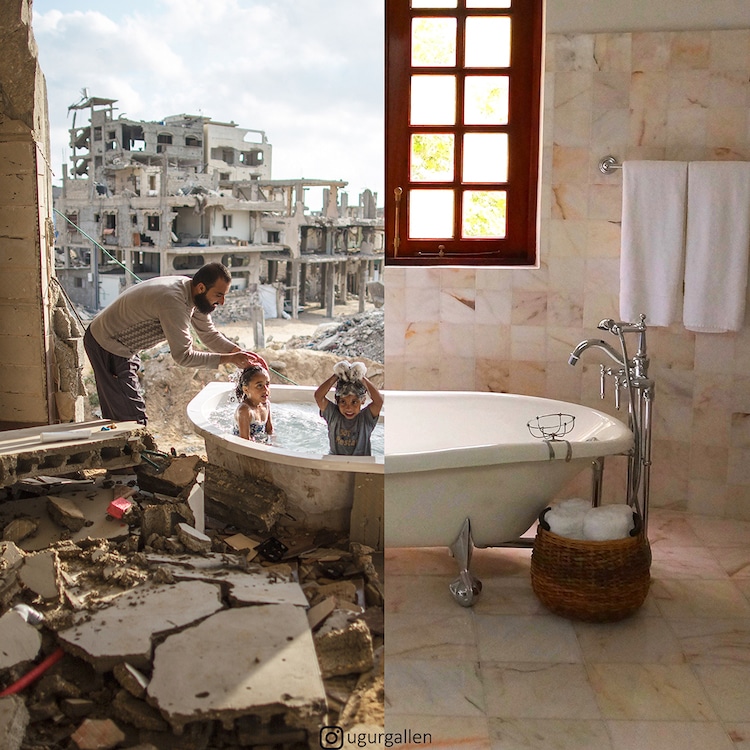

Ugur Gellenkus is a digital artist from Istanbul, Turkey. He specializes in editing photos to make side-by-side comparisons between scenes from developed and developing nations. The goal of his work, according to his official site (https://ugurgallenkus.com/pages/about-ugur), is to “address the widening global divide between the privileged and oppressed, weaving together misery and mirth, wealth and poverty and love and despair.”
About a week ago, I came across Ugur Gellenkus’s work on twitter and was blown away. I immediately googled him and scoured the internet to find more of his profound creations. I love the realness of his edits and photographs. As someone who often fits into the image of the child on the “developed” side of the piece, I like to reflect on all I have to be grateful for. I do not think enough about how other children are suffering while I can go to school every day, be with my family, stay in good health, and live outside of war. Not only are Gellenkus’s edits powerful in themselves, but many photos on his instagram come with a detailed caption calling attention to major global problems.
Ugur Gellenkus’ work covers almost all of the UN Sustainable Development Goals; however, I think he focuses mostly on #1 no poverty, #2 zero hunger, #3 good health and well being, and #9 industry, innovation and infrastructure.
Photo captions courtesy of Gellenkus’s instagram (@ugurgallen)
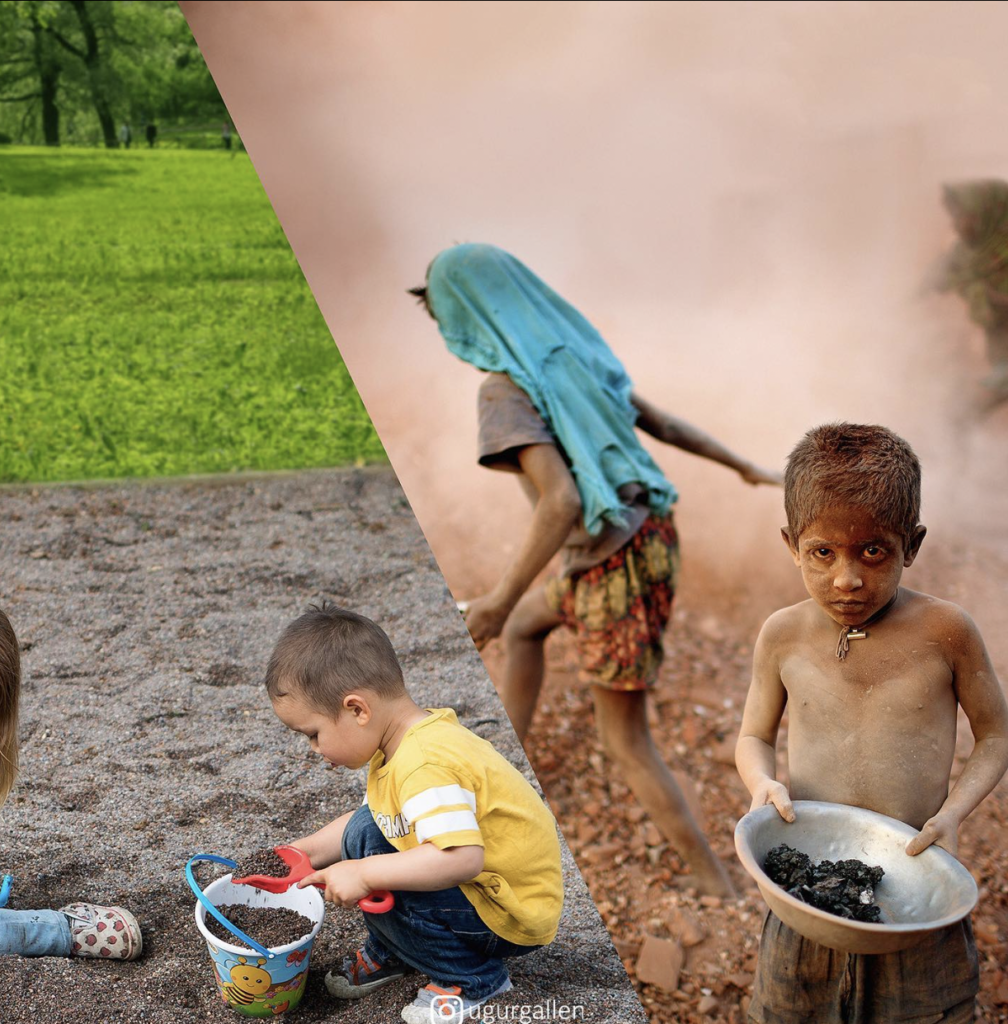
#Children around the world are routinely engaged in paid and unpaid forms of work that are not harmful to them. However, they are classified as child labourers when they are either too young to work, or are involved in hazardous activities that may compromise their physical, mental, social or educational development. In the least developed countries, slightly more than one in four children (ages 5 to 17) are engaged in labour that is considered detrimental to their health and development.
Africa ranks highest among regions both in the percentage of children in child labour — one-fifth — and the absolute number of children in #child #labour — 72 million. Asia and the Pacific ranks second highest in both these measures — 7% of all children and 62 million in absolute terms are in child labour in this region.
The Africa and the Asia and the Pacific regions together account for almost nine out of every ten children in child labour worldwide. The remaining child labour population is divided among the Americas (11 million), Europe and Central Asia (6 million), and the Arab States (1 million). In terms of incidence, 5% of children are in child labour in the Americas, 4% in Europe and Central Asia, and 3% in the Arab States. Source: International Labour Organization
Photo by GMB Akash @gmbakash // Children work at a brick factory in Fatullah near #Dakka in #Bangladesh. For each thousand bricks they carry, they earn the equivalent of 0.9 USD. The average a child labourer earns between 400 to 700 taka (1 USD = 70 taka) per month.
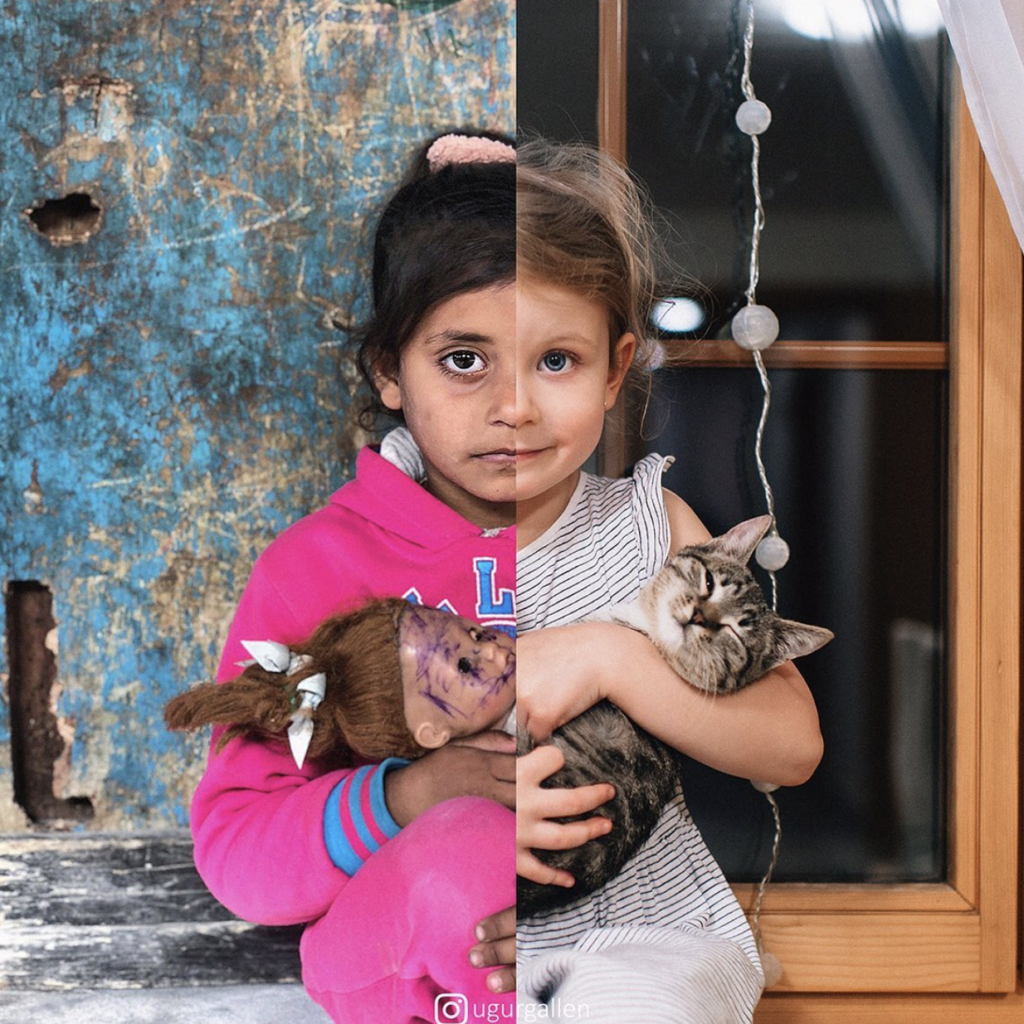
The Declaration of the #Rights of the #Child is an international document promoting child rights, drafted by Eglantyne Jebb (the woman who founded Save The Children) and adopted by the League of Nations (first version of United Nations) in 1924.
For 100 years we have been working on improving children’s lives. BUT this is not successful in many places.
In End-2020, An estimated 35 million (42%) of the 82.4 million forcibly #displaced #people are children below 18 years of age in the world. Between 2018 and 2020, an average of between 290,000 and 340,000 #children were born into a #refugee life per year. Source: UNHCR
Far too many refugee boys and girls are living in conditions not suitable for children, with limited access to education and healthcare, no freedom of movement, and almost entirely dependent on aid.
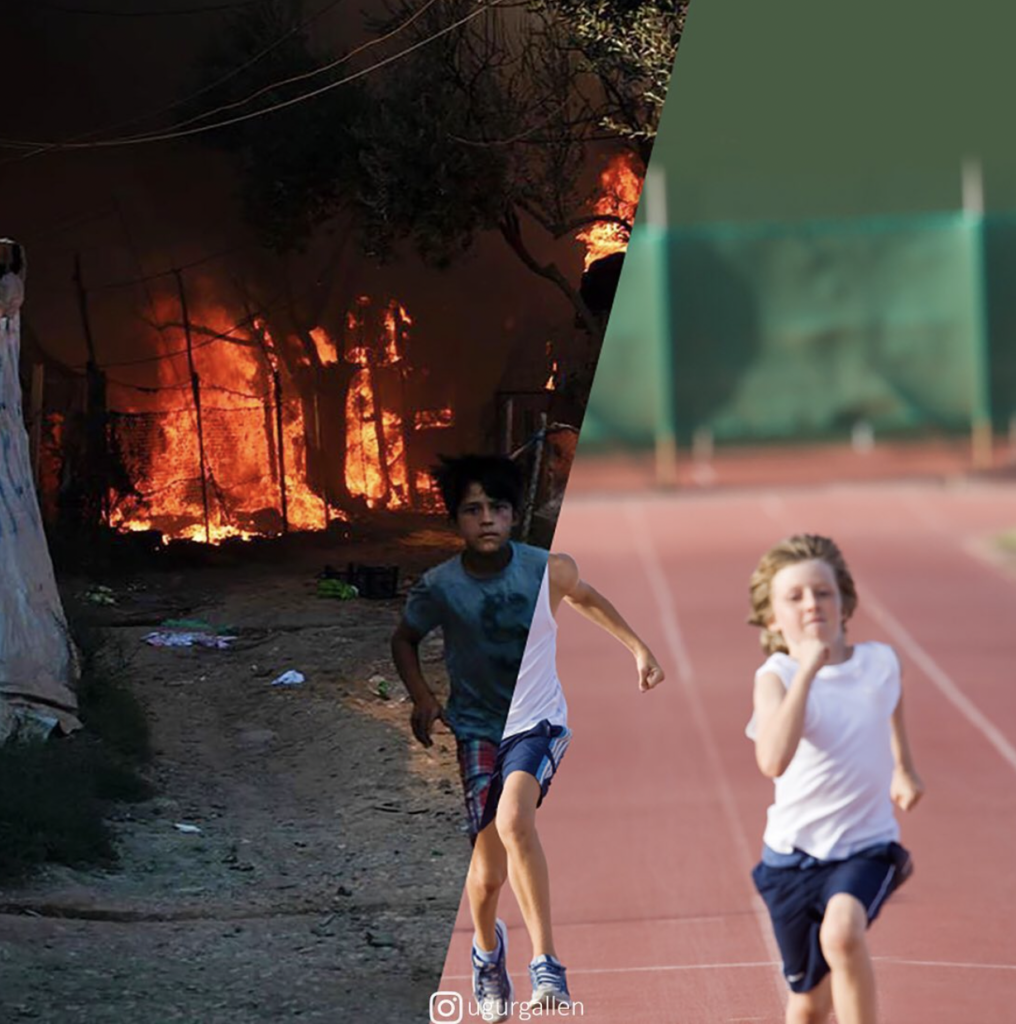
Photo by Afshin Ismaeli @afshinismaeli // A child flees the Moria refugee camp after fires completely destroyed the camp on September 9, 2020. Thousands of people have been forced to flee their homes after a fire broke out in Moria camp destroying their homes and belongings.
“Fires that consumed Europe’s largest refugee camp, Moria, on the Greek island of Lesbos have left nearly 13,000 men, women, and children without shelter or access to basic services.
Prior to the fires, security in the camp had already deteriorated and tensions were high. The refugees were crammed into overcrowded, inadequate tents, with limited access to food, water, sanitation, and health care, despite the risk of Covid-19.
Now they have nothing.” via HRW
From the arcticle “Welcome to Europe. Now Go Home.” published on the website of The Atlantic on November 15, 2019.
“What is Moria? It is where Europe’s ideals—solidarity, human rights, a safe haven for victims of war and violence—dissolve in a tangle of bureaucracy, indifference, and lack of political will. It is the normalization of a humanitarian crisis. It is the moral failure of Europe.
From up close, Moria is a chaotic mass of humanity. Built to house about 3,000 people, it is now home to more than 13,000 (including an estimated 1,000 unaccompanied minors)—more than it has ever held. They wait, sometimes for more than a year, for the slow wheels of Greek bureaucracy to turn, to review their asylum applications, to send them to the mainland for a decision. Winter is approaching, and many of these 13,000 live outside the camp’s walls, in tents pitched on the surrounding hillsides, without electricity or running water, which are provided only inside the camp. NGOs, which lease the land for the tents, help run basic services and report atrocious conditions. Fights break out in the hours-long food lines. Women are afraid to use the toilets for fear of harassment. In September, a woman died in a deadly fire.
How did it come to this? Because Europe allowed it to come to this.” via The Atlantic
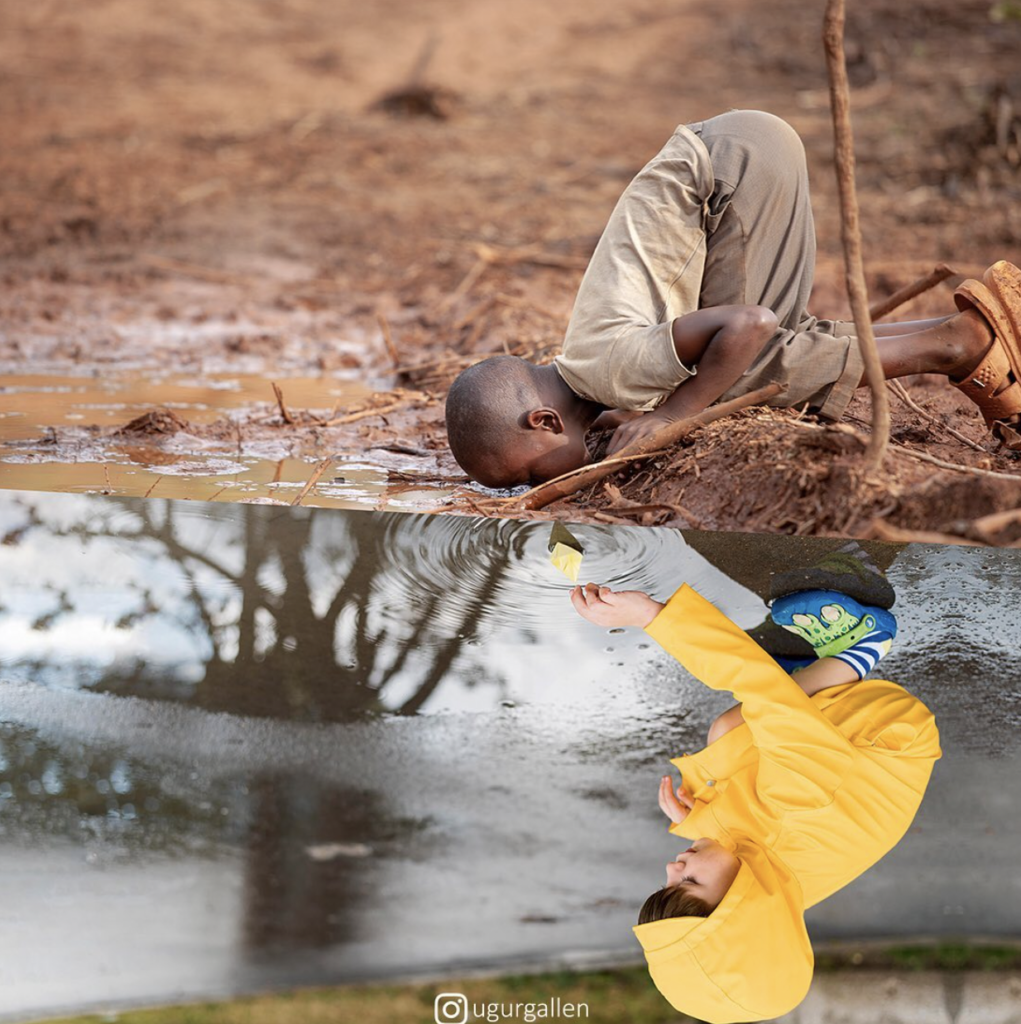
Photo by Frederick Dharshie Wissah @dharshiphotography // A young boy is drinking dirty water due to a lack of water points in Kakamega in Kenya on March 14, 2018, which has occurred due to deforestation.
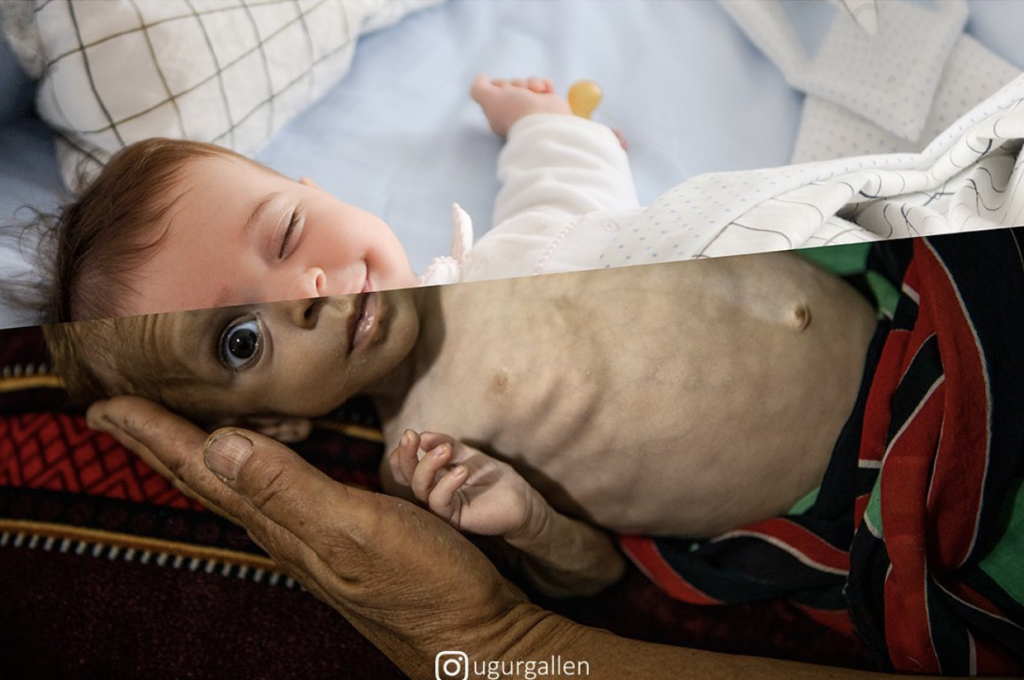
Photo by Afshin Ismaeli @afshinismaeli // Setare, seven-month-old, suffering from malnutrition is lying in Mirwais hospital of city of Kandahar, Afghanistan on September 25, 2021.
Critical food shortages in Afghanistan. One million children may die of starvation. Numbers are doubled since Taliban took over the power. The country is heading for a humanitarian catastrophe, and aid is not coming in. The UN fears that one million Afghan children may die.
Only 5 percent of Afghan families have enough food to eat every single day, according to surveys conducted by the World Food Program. Half of all families say they have run out of food at least once in the last few weeks.
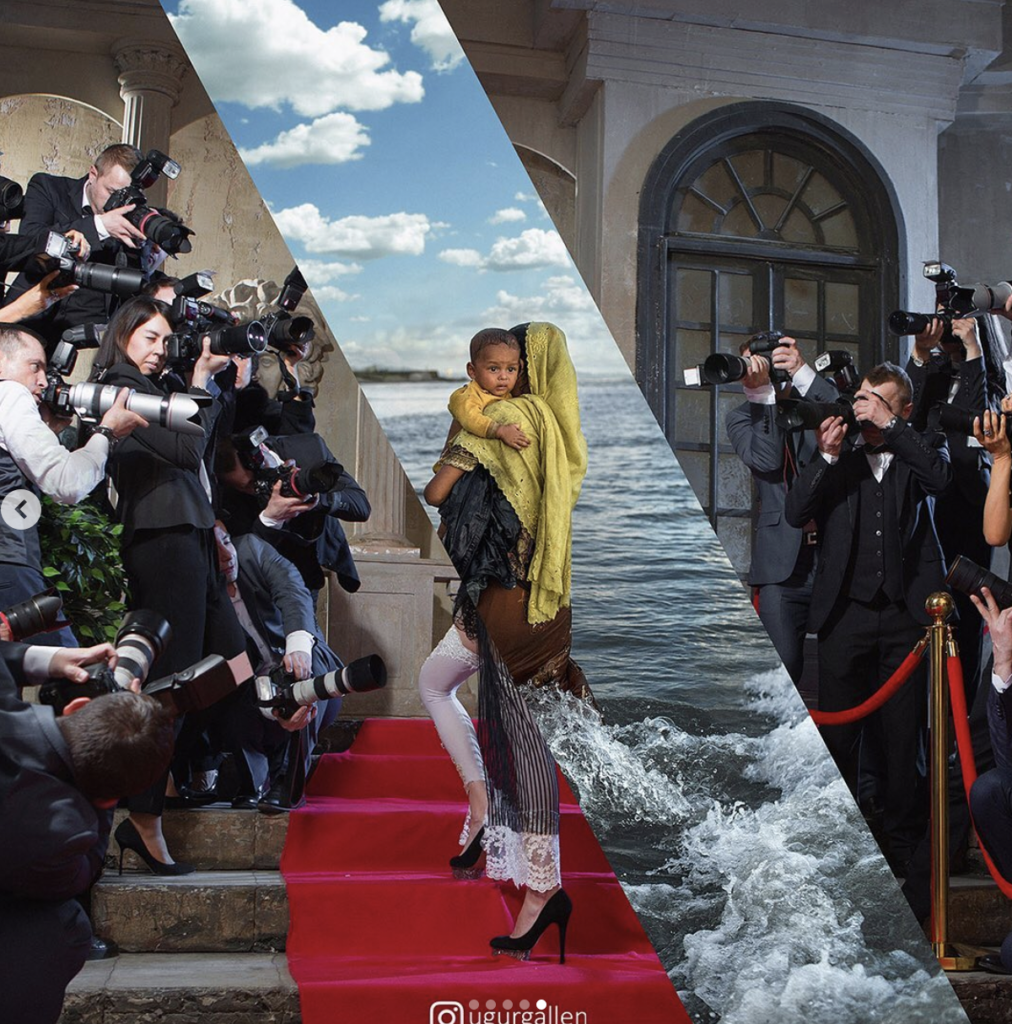
A Rohingya refugee woman hold her son seen after arriving with a boat to Bangladesh – Myanmar border nearest beach in Shah Porir Dip Island Teknaf, Bangladesh 14 September 2017. Photo by K.M. Asad @kmasad
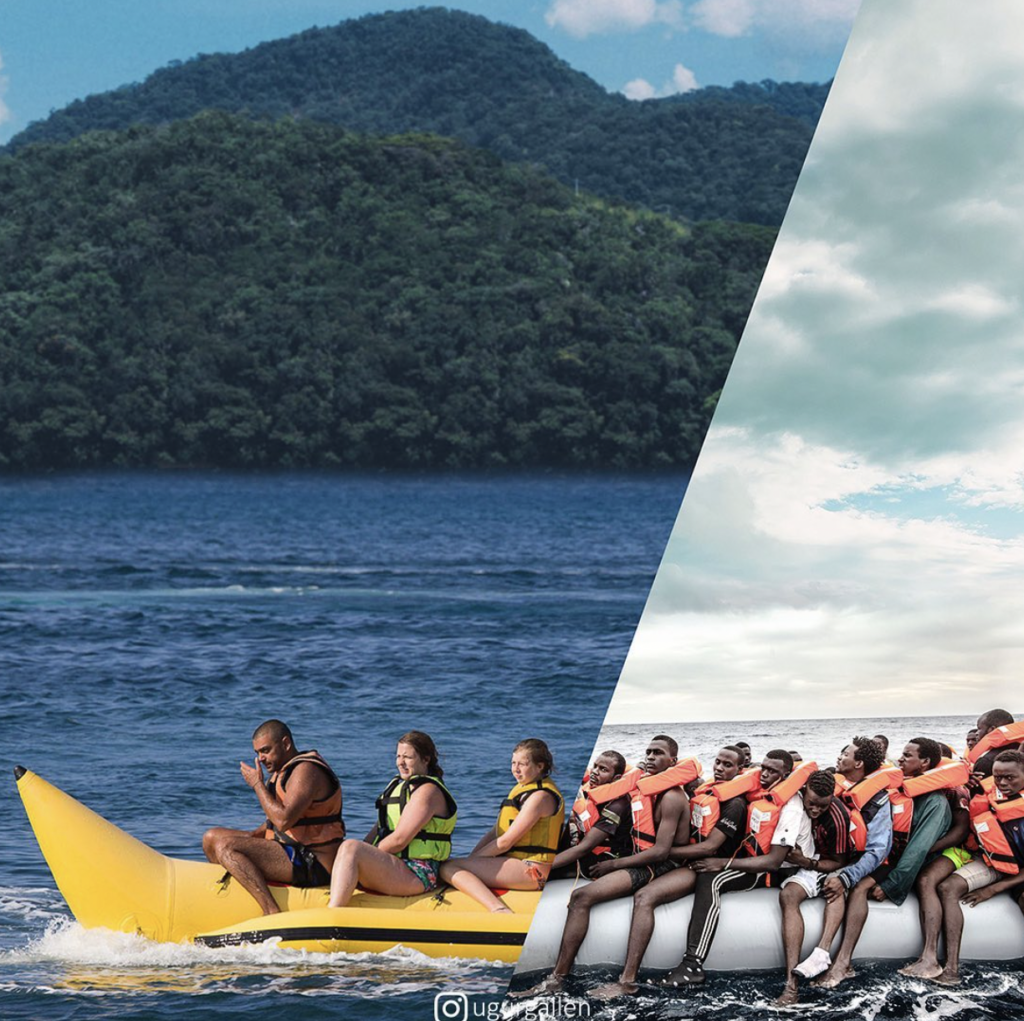
Photo by Giuseppe Carotenuto @giuseppe_carotenuto // 146 people rescued by MOAS (the Migrant Offshore Aid Station) on 24 November 2016 in the Mediterranean Sea. They were disembarked in Pozzallo on the 27th November.
During our history as Homo sapiens, we have become refugees due to economic, natural disasters, wars and political events. One day we can all be or will be refugees.
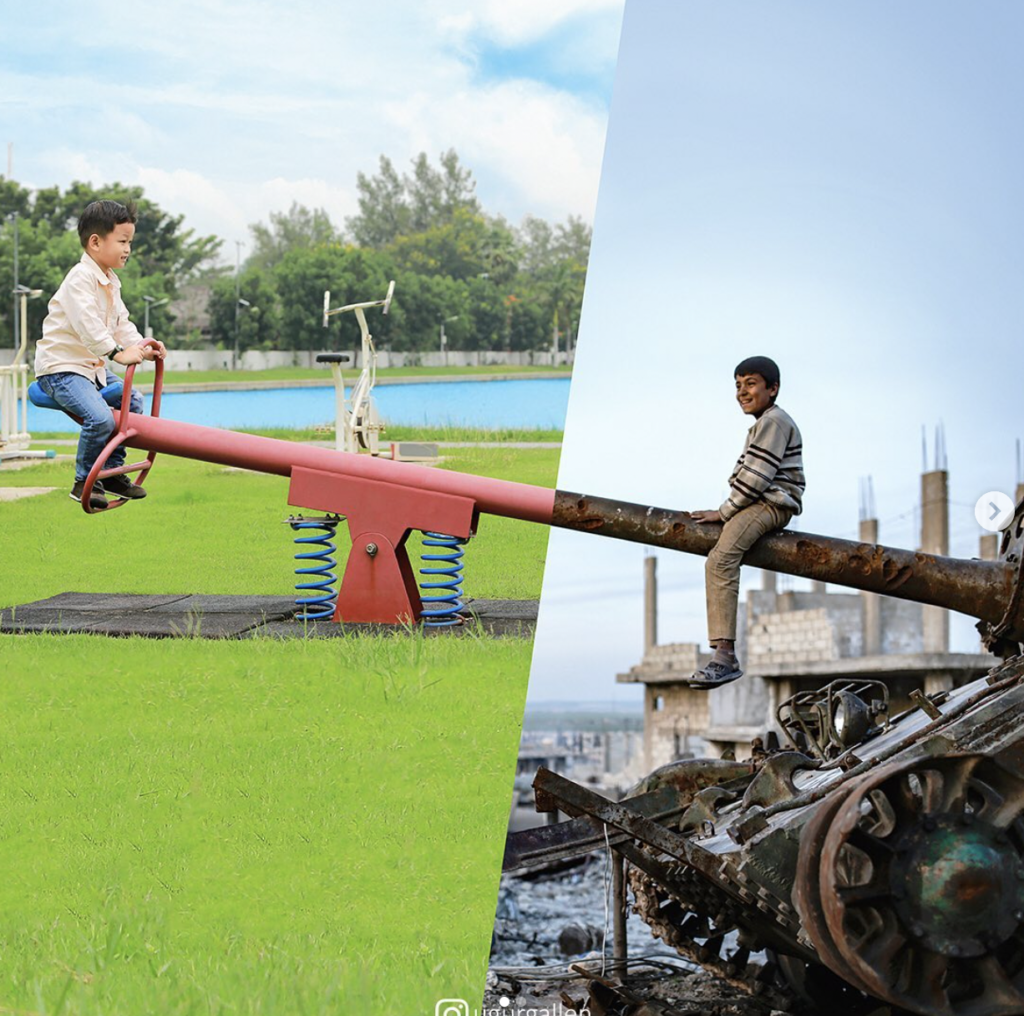
Photo by Yasin Akgül @yasinakgul2 // A Syrian boy sits on a destroyed tank in the Syrian town of Kobane, also known as Ain al-Arab, on March 27, 2015.
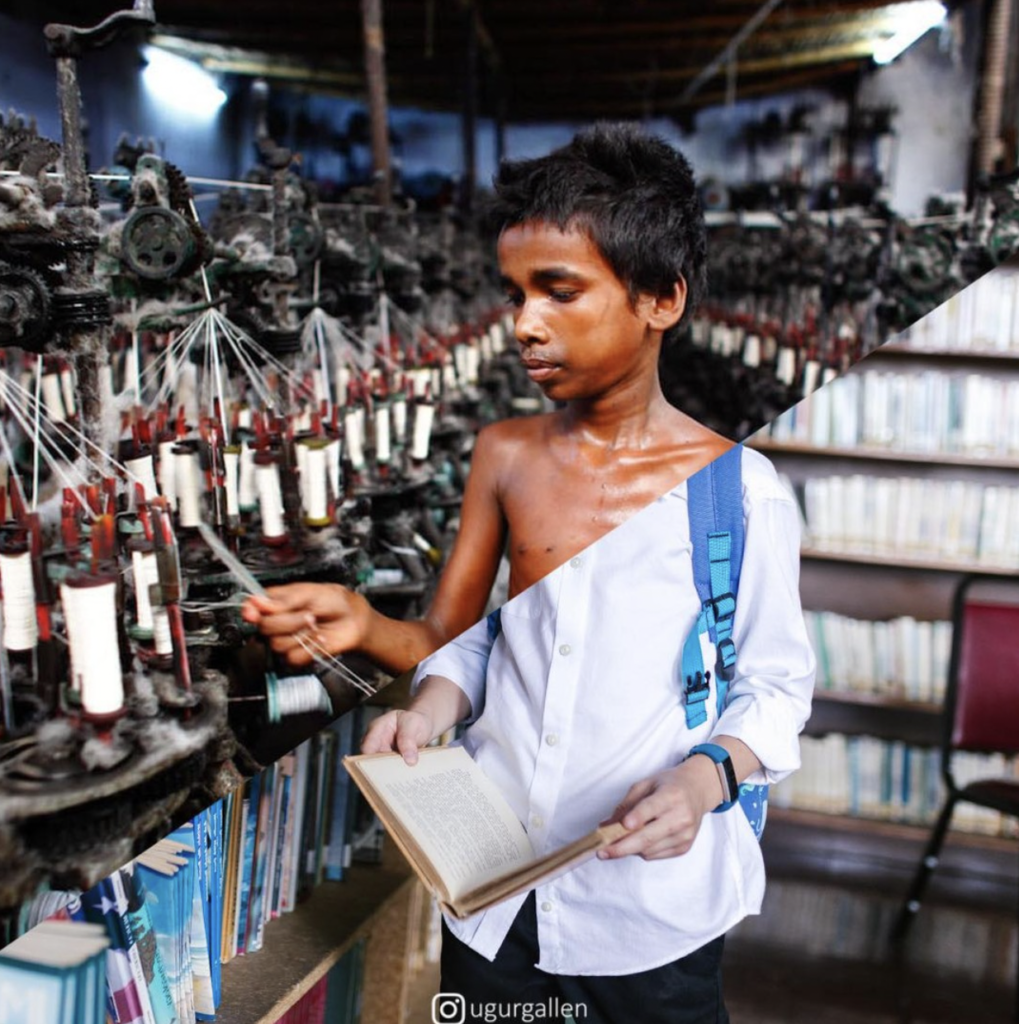
Photo by GMB Akash @gmbakash // 13 years old Sobuj works in a textile factory in conditions of extreme heat and noise in Dhaka, Bangladesh in 2011. Sobuj tends to a spinning machine’s cotton reels on a factory floor crowded with machinery of a very old design. For this he earns about 1.200 Taka a month (11 USD).
About The Author